
The Resistance Movement
- Home
- The Resistance Movement
What Was the Movement?
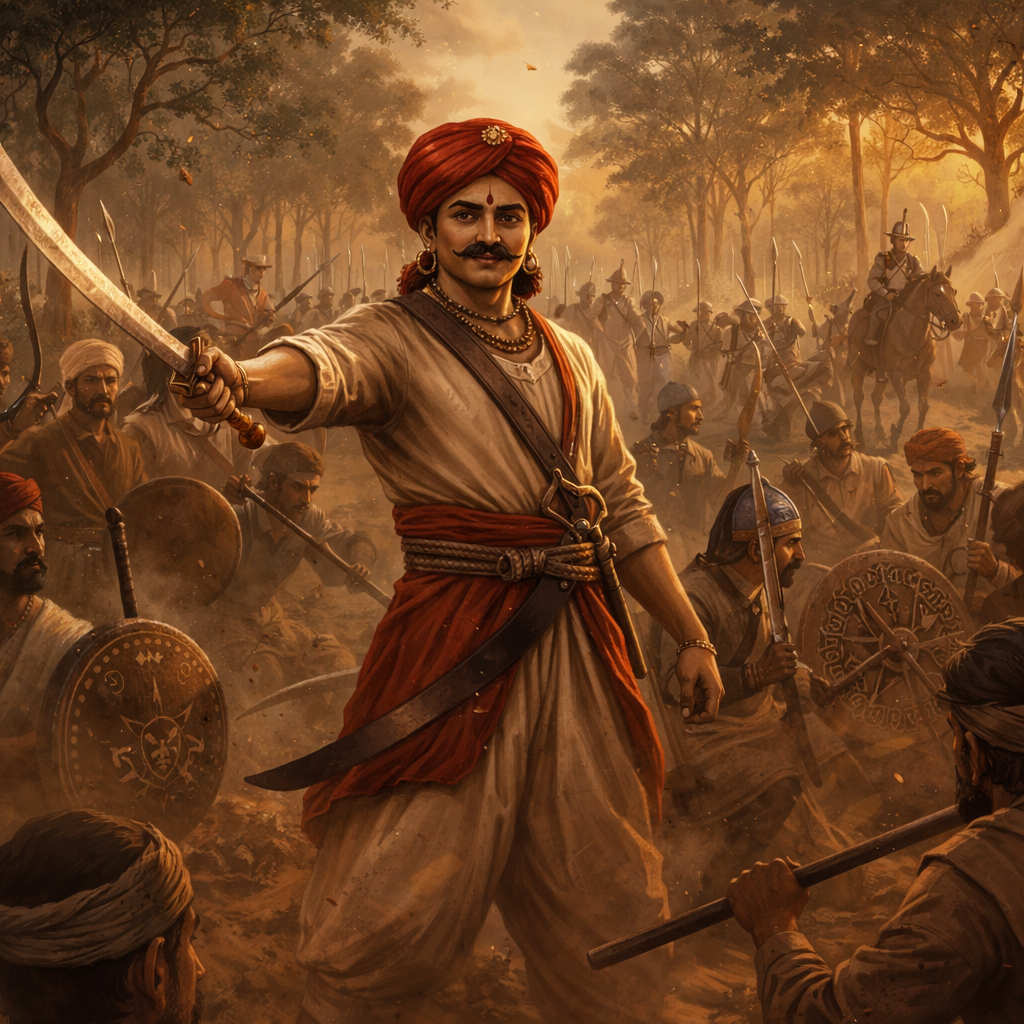
During the 19th century, Delan Shah emerged as a leading figure in the resistance against British colonial rule in the Gondwana region of Central India. The movement developed as a direct response to the colonial administration’s policies, which imposed heavy and often unjust taxation on tribal communities, disrupted long-established systems of indigenous governance, and systematically seized tribal lands for revenue collection and control.
British interference weakened traditional Gond leadership structures that had governed tribal society for generations. These actions not only threatened economic survival but also undermined cultural practices, social order, and the spiritual connection between the people and their land. In response, Delan Shah mobilized tribal communities to resist colonial authority and protect their autonomy.
The movement combined organized armed resistance with community unity, relying on local knowledge of terrain, traditional warfare strategies, and collective leadership. Rather than seeking conquest, the struggle aimed to restore self-rule, defend ancestral lands, and preserve tribal identity. Delan Shah’s leadership transformed the resistance into a powerful expression of indigenous self-determination, leaving a lasting impact on tribal movements against colonial oppression.
- Striving for freedom
Objectives of the Movement
🛡️
Protection of Gond Sovereignty
Defending the Gond tribe’s governance system and ensuring autonomy over their land and people.
💰
Against British Taxation
Challenging unfair taxation policies and resisting colonial control over tribal resources.
🏞️
Preservation of Culture Rights
Protecting the tribe’s cultural heritage, traditions, and securing their land rights from exploitation.
🗡️
Freedom Colonial Domination
Fighting for independence and the removal of colonial authority, ensuring self-determination.
- Resistance and Unity
Role of Delan Shah
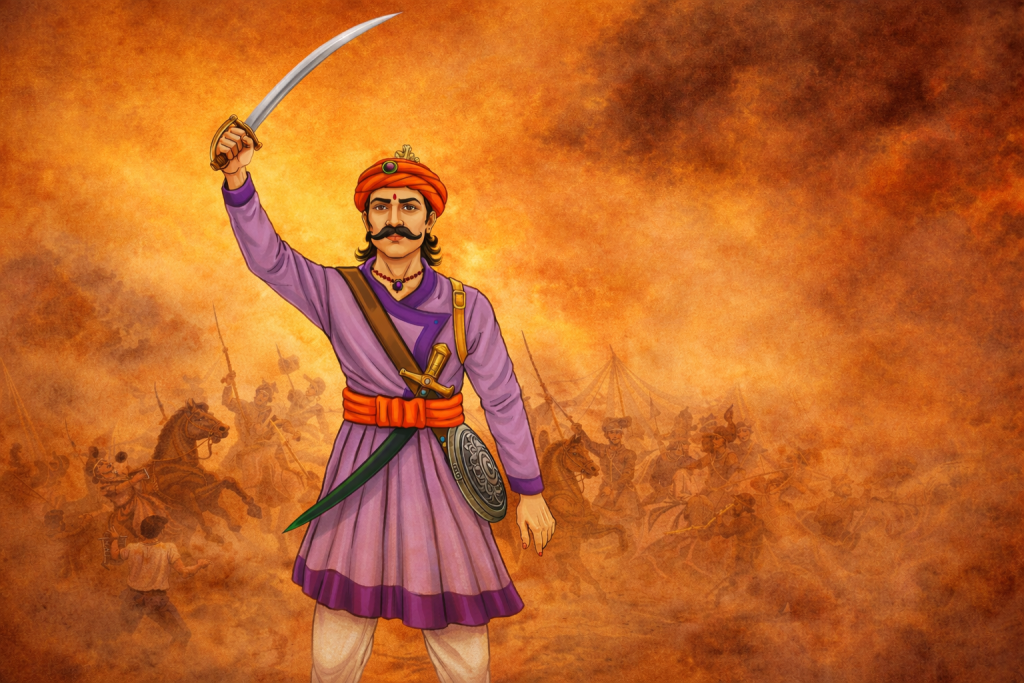
Led Tribal Warriors Against British Forces
Delan Shah led his people with unmatched courage, facing British colonial forces to protect his homeland and community.
Organized Strategic Resistance Campaigns
With sharp military tactics, Delan Shah organized resistance movements that challenged British power and defended tribal sovereignty.
Mobilized Gond Communities to Defend Autonomy
Through unity and vision, Delan Shah rallied Gond communities to defend their rights, land, and cultural identity.
Strengthened Unity Among Tribal Regions
Delan Shah forged alliances across regions, strengthening tribal solidarity and making them a formidable force against colonial rule.
- Striving for freedom
Impact
Delan Shah’s resistance against British colonial expansion in the tribal regions of Central India marked a critical moment in the struggle for indigenous autonomy. His leadership and strategic resistance challenged the British forces, halting their aggressive policies of land seizure, taxation, and governance interference in the Gondwana region. His efforts not only weakened the colonial grip on tribal territories but also became a beacon of hope for other indigenous communities across Central India.
The strength and unity Delan Shah inspired among the Gond people encouraged the rise of several other indigenous rebellions, which would echo his calls for land preservation, cultural protection, and the restoration of traditional governance systems. His defiance fueled resistance movements that stretched across tribal lands, inspiring unity among disparate communities who fought against common colonial oppressors.
Delan Shah’s legacy transcended the immediate outcomes of these rebellions. His role as a leader, warrior, and protector of tribal sovereignty became emblematic of indigenous resilience. Even after his death, his sacrifices continued to inspire the ongoing fight for justice, land rights, and the recognition of tribal sovereignty, influencing future generations of freedom fighters and tribal leaders. His movement laid the foundation for the broader indigenous resistance movements that would later gain more widespread recognition during India’s struggle for independence.